

Health challenges in Openlab’s master’s course spring 2026
Three complex societal challenges have been presented to Openlab’s master’s students to work on over the coming months. Health, viewed from different perspectives, is a common denominator of the challenges in the spring course. Using design thinking, the students will explore the needs and develop user-centred solutions for their challenge providers.
Challenges Spring 2026
How urban design can promote good and equitable health
Challenge from:
Centre for Occupational and Environmental Medicine, Region Stockholm
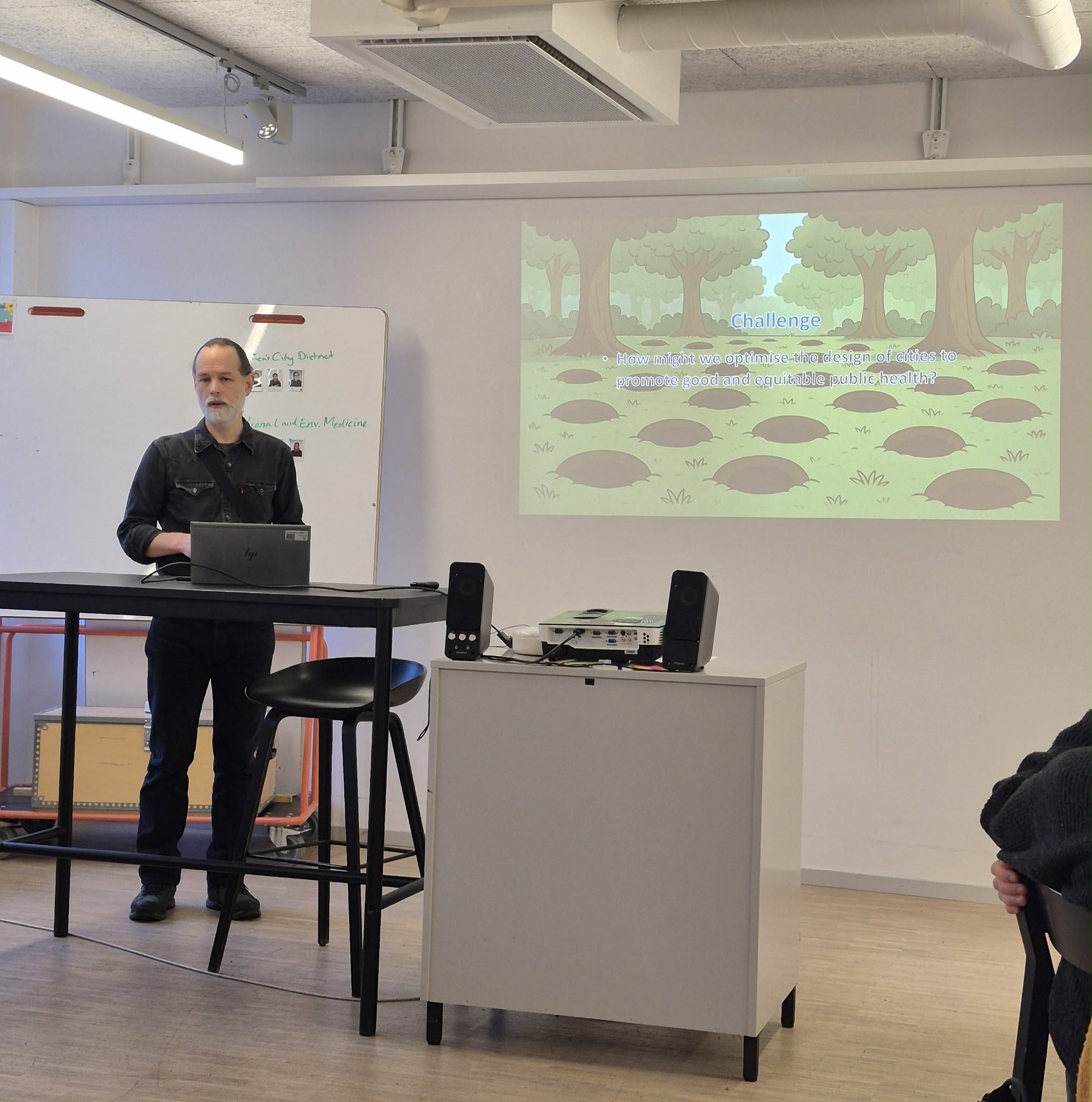 The Centre for Occupational and Environmental Medicine in Region Stockholm is collaborating with the Centre for Data Driven Health (CDDH) at KTH to explore how the design of cities affects people’s health. The focus is on so-called urban form—how buildings, streets, green spaces and functions interact in the urban environment.
The aim is to generate knowledge that can support urban planning that promotes good and equitable public health. This requires new qualitative research methods, including physical or visual models that can serve as tools for dialogue between different stakeholders. The models are intended to help make relationships within complex systems visible and to identify factors that influence health at a societal level. The challenge providers therefore turned to Openlab’s master’s course to test and further develop this approach.
Challenge question:
How can urban design be optimised to promote good and equitable public health?
More engaged and well-informed patients after colon surgery
Challenge provider:
Karolinska University Hospital, Medical Unit Pelvic Cancer, IBD Surgery
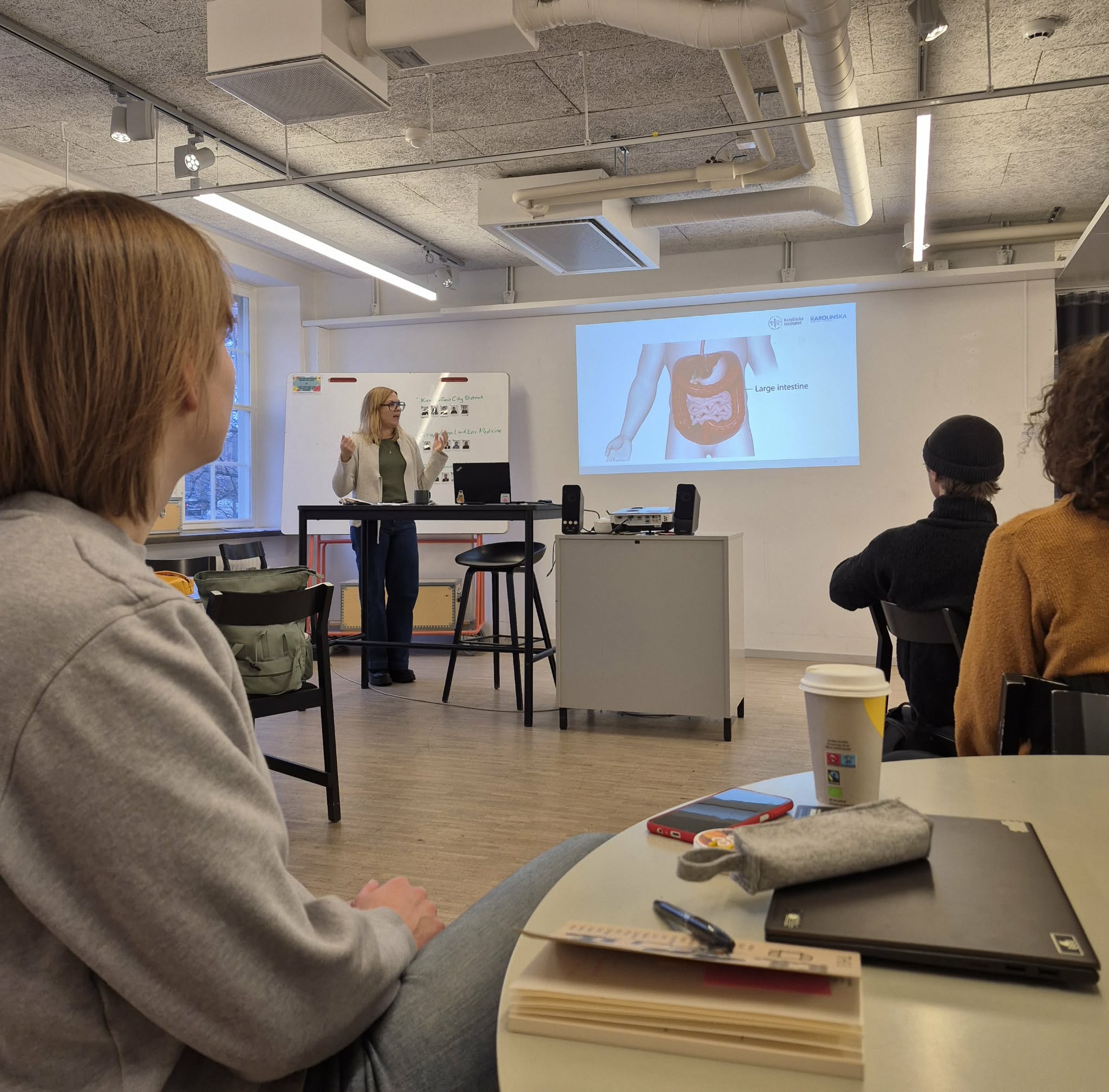 Inflammatory bowel disease (IBD) is a chronic condition in which the body’s immune system attacks the intestine. Around 1 per cent of Sweden’s population lives with IBD. The most common form is ulcerative colitis, which often develops between the ages of 15 and 35 and can affect studies, work, relationships and everyday life over a long period of time.
Despite advanced medical treatments, around one third of patients need to undergo surgery in which the colon is removed. After surgery, patients face difficult choices: living with a stoma—an opening in the abdomen where stool is diverted into a bag—or undergoing further surgery to restore bowel function. Studies show that many patients ask for more individually tailored and easily accessible information in order to make well-informed decisions, something that healthcare currently has limited capacity to provide.
Challenge question:
How can healthcare support patients after colon surgery to become more engaged and better informed about their continued care?
Supporting seniors in maintaining good brain health and reducing the risk of cognitive decline
Challenge provider:
Kungsholmen District Administration, Commissioning Unit – Authority Exercise and Prevention
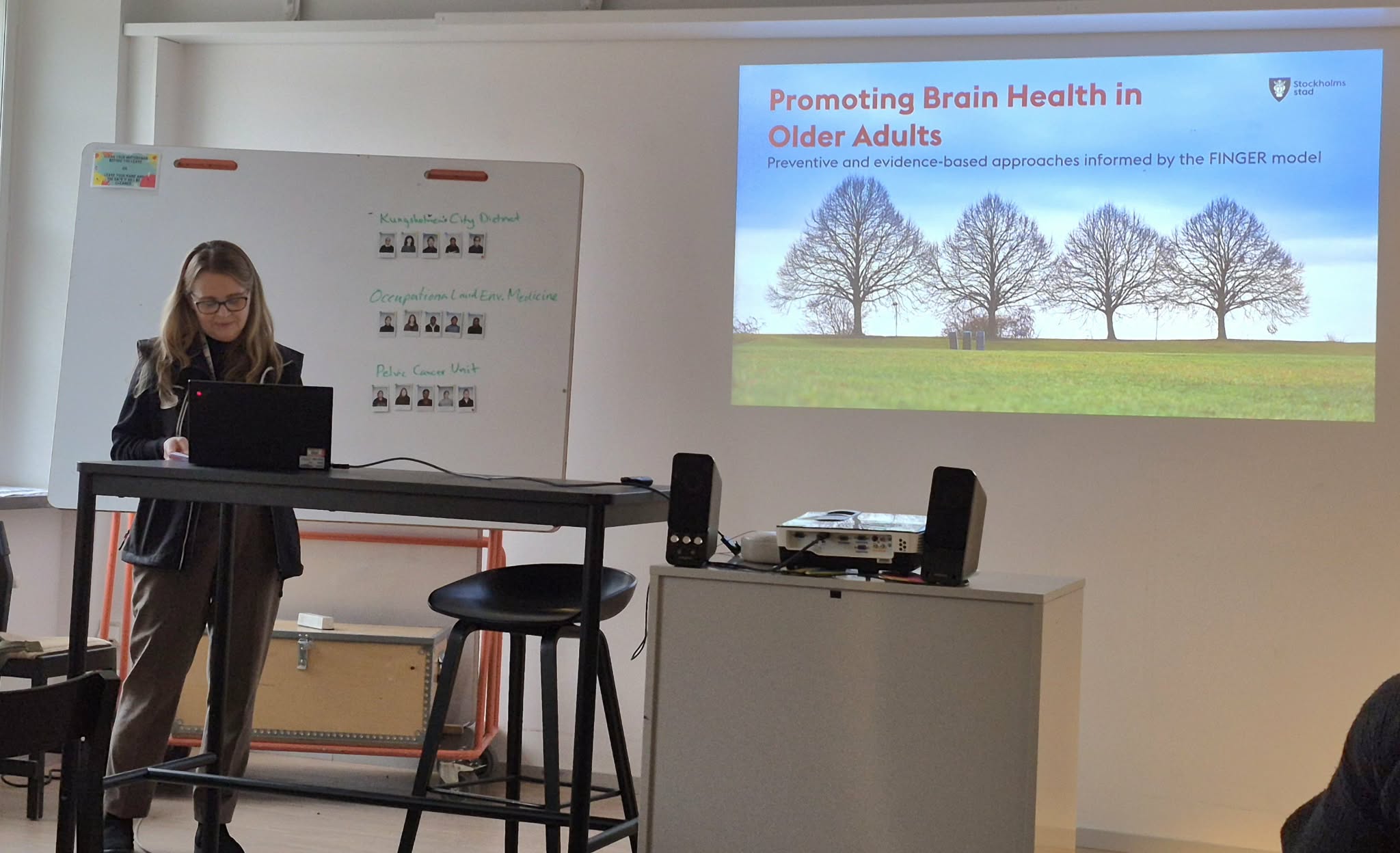 On Kungsholmen, services within health and social care are seeing a growing challenge related to seniors’ brain health. As the number of older people increases, so does the risk of cognitive decline and dementia. This is a complex challenge influenced by individuals’ life situations, social networks, local environments, and how knowledge is shared and used.
Research, including the so-called FINGER study, shows that combinations of lifestyle factors—such as physical activity, a healthy diet, social interaction and cognitive training—can strengthen brain health and reduce the risk of cognitive decline. At the same time, many older adults find it difficult to find, understand and use information that supports healthy ageing. To work more preventively, there is a need for deeper knowledge about the barriers seniors face and how information can be made more accessible and useful.
Challenge question:
How can we support seniors on Kungsholmen in developing and maintaining lifestyle habits that promote brain health and reduce the risk of cognitive decline, based on insights from the FINGER model and the FINGER study?
About Openlab’s master’s course
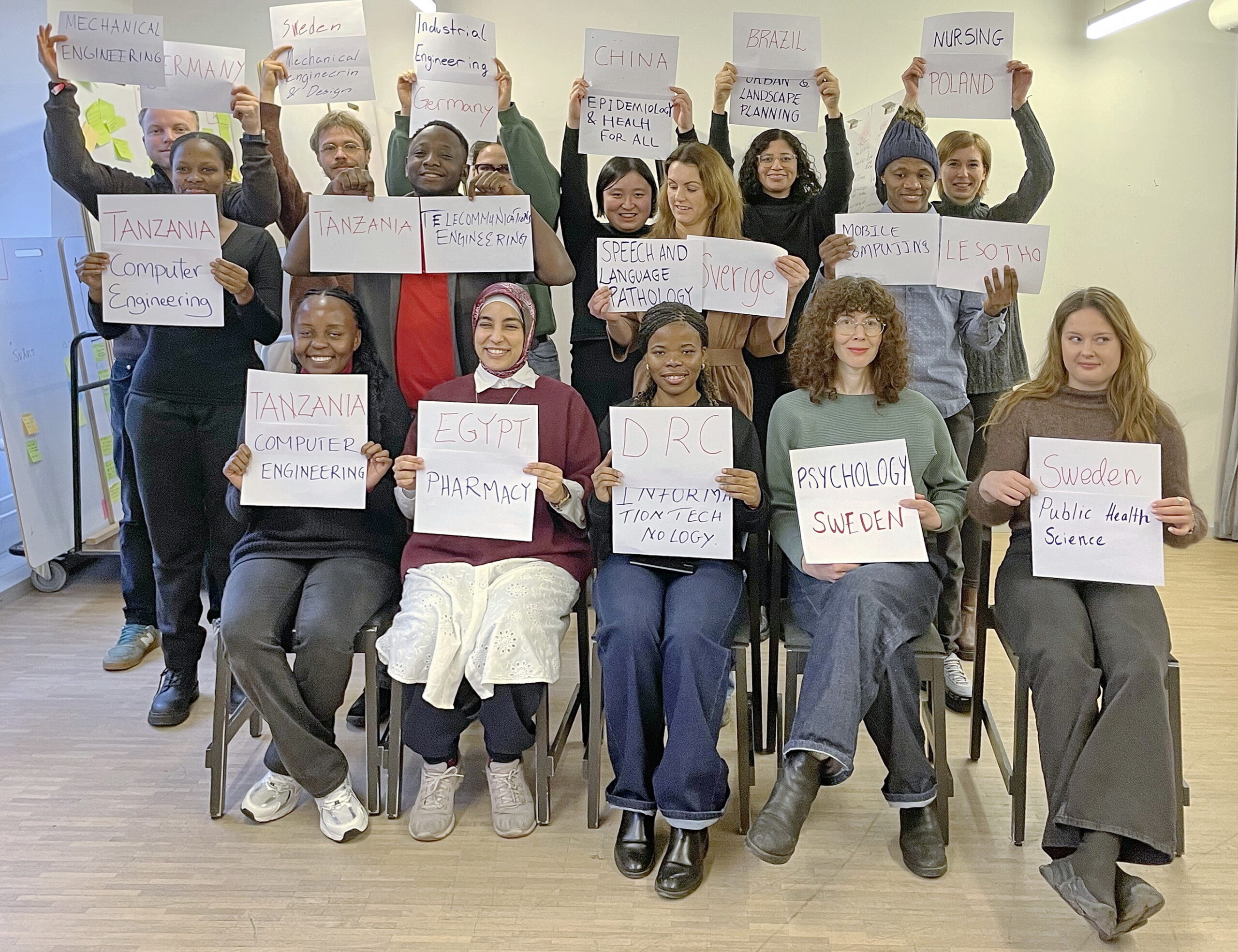
Openlab works with challenge-driven education, where students take on real societal challenges formulated by organisations within the City of Stockholm and Region Stockholm. The students, who come from different universities and disciplines, work in interdisciplinary teams using design thinking as their method. This means starting from users’ needs, exploring problems from multiple perspectives, developing ideas, and testing solutions in dialogue with relevant stakeholders.
Follow the students’ work
During the spring semester of 2026, students will present their work at mid-term and final presentations that are open to the public. Welcome!
Mid-term presentations: Thursday 19 March, 9:00–12:00
Final presentations: Thursday 28 May, 9:00–12:00
Openlab, Valhallavägen 79, Stockholm
Read more about:
– Openlab’s master’s course
– Submitting a challenge to the master’s course
